
November 13, 2026 · 4 min
We Knew She Wanted Cremation. We Hadn't Talked About What Came Next.
By Stephanie Reid
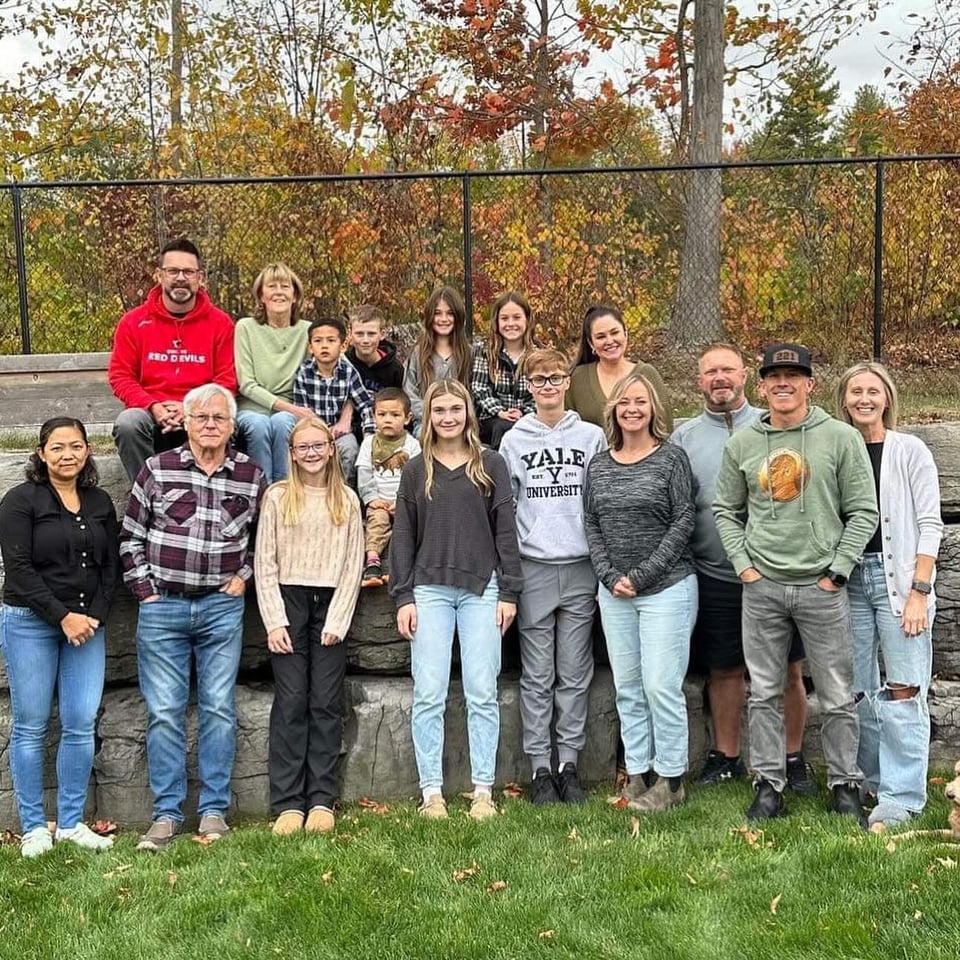
A family's conversation about what comes after cremation — and why nobody has to decide yet.
I was on my way to California to meet with partners when I received the news that my mother-in-law had passed away. I had only made it to my first layover.
As a family, we knew her time was near. But the conversations about planning her funeral had only happened recently. We knew she wanted direct cremation. Beyond that, she hadn't expressed much preference about what happened to her remains.
My husband was adamant that I continue the trip. He knew he would be busy with calls and arrangements. As we talked, though, it struck me that we didn't have answers to the questions that came after cremation.
What would her husband and four sons want to do with her ashes? Would they all want the same thing? Did they even know what their options were?
Giving everyone room to decide
One of my first thoughts was Family Share: sharing the cremated remains among family members so each person can decide what feels right for them.
We began discussing that option for her husband and four sons. Each could have a portion of her ashes and, when they were ready, choose something that reflected their relationship with her.
I didn't expect them to know right away.
They had each known and loved her in their own way. It made sense to me that the ways they wanted to remember her might be different, too.
Starting with the things she loved
I began talking with my husband about her life. She loved her family, the cottage and her home.
Could we explore a 3D-printed urn shaped like the cottage or her house? Somewhere she had loved spending time, represented in something the family could keep?
We also have a family photograph of her husband, their four sons and their wives, and all the grandchildren. I wondered about having that photograph made into artwork incorporating some of her ashes. Perhaps family members could choose a larger piece or a smaller keepsake.
These were ideas to explore, not decisions we had made.
A traditional urn may be exactly what someone wants. I wanted my husband and his family to know that they could also consider something connected to a place, a memory or a part of her life that mattered to them.
Keeping an option open
I also suggested having her fingerprint captured.
At first, my husband said he didn't want it. I didn't want to push him while he was struggling with the loss of his mom.
But I kept thinking about one of the grandchildren, who loves jewellery. She might someday want a necklace with Grandma's fingerprint as a way to keep her close.
Later that day, I brought it up again. I explained that we could ask about preserving the fingerprint before cremation without deciding now whether anyone would use it. My husband might never want a piece of fingerprint jewellery, but someone else in the family might.
He hadn't thought about it that way and agreed it was something we should do.
For me, that conversation was about leaving room for a choice someone might want to make later, when they felt ready.
They don't have to know yet
A few days have passed, and the boys still aren't sure what they want to do.
That's okay.
Having the option to share her ashes means they don't all have to agree on one memorial or make their decisions at the same time. Each can take time to think about his relationship with her and what he would like to keep close.
As his wife, I wanted to help my husband understand the possibilities without adding another decision he had to make immediately. I didn't want him to discover an option later and wish someone had told him about it.
I'll continue to talk things through with him as he feels ready. For now, he doesn't need to know what the finished memorial will look like. He has time to decide how he wants to remember his mom.
Our journey is still unfolding. When the time feels right, I hope to share the choices our family makes and the ways we find to remember her.