
November 9, 2026 · 4 min
What an Outsider's Experience Taught Us About Memorial Choice
Three years after his wife died, her urn still sat on a shelf. A conversation in Los Angeles about finding something that truly felt like her.
Three years had passed since his wife died, and her urn was still on a shelf in his home. He wasn't sure what should happen to her ashes, or whether his daughter might want them someday.
That was the detail I carried home from Los Angeles.
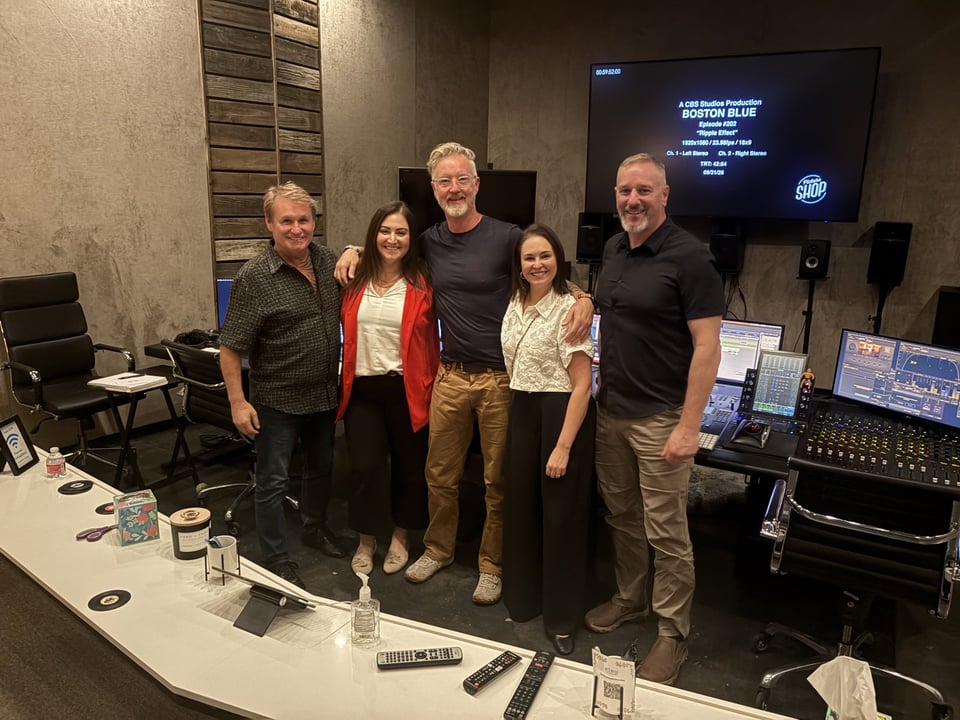
We were visiting a partner who works in sound for film and television. I was curious how our world looks to someone who doesn't work in it, so I asked him. He answered by telling me about his own loss.
He had good things to say about the funeral home that cared for his family. Choosing a memorial was harder. Nothing he was shown felt like her, so he kept looking online, hoping something would stand out. In the end he settled on an urn he described as fine.
Three years on, he was still wondering what else he might have chosen.
You can't search for something you've never heard of
His story left me with a simple question: how does anyone find an option they don't know exists?
People who work around memorials every day have seen possibilities most families have never come across. A family starts from what they've seen before, what they're shown, and what they think to look up.
Most people know what an urn is. Far fewer know that a painting can be embellished with a small amount of cremated remains. If the idea has never crossed your mind, you won't type it into a search bar.
He had genuinely tried. He looked at what was offered and kept searching on his own. He still couldn't picture anything that felt right for his wife.
One man's experience doesn't speak for every family. It does show how much depends on how possibilities are introduced.
When an idea becomes something you can picture
As we talked about Tribute Art™ and memorial artwork, his answers became very specific. He imagined where a painting might hang in his new home. He wondered whether his daughter would like a piece in hers.
He wasn't making a decision. He was considering something he could finally picture in his own life.
For many families, an urn is exactly the right choice. What mattered here was giving him one more idea to weigh against what he knew about the person he wanted to remember.
Helping families discover what's possible
His funeral home had cared for him well. Hearing that next to his lingering uncertainty reminded me that a good experience at the time of loss can still leave room for another conversation later.
A few questions are worth asking about how memorial options are shared:
Would someone hearing about this for the first time understand what it is? Can they picture how it might fit into their life? Could they find it again later without remembering an unfamiliar name? Do they know who to call if they want to pick the conversation back up months or years from now?
Those questions apply to a website as much as to a conversation. A clear explanation gives someone a starting point — and something they can return to or share with family.
It's never too late to keep looking
Choosing an urn three years earlier hadn't ended his search for something more personal. He wanted something that felt like her, and it had been hard to find.
That's why we think helping people discover their options is worth the effort. If you'd like to talk through what might feel right for someone you love, we're always glad to hear from you.